
Guidebook on AI’s Applications in Energy Transition
A definitive technical and policy resource developed by the IEEE Young Professionals Climate and Sustainability Subcommittee (CSSC), mapping artificial intelligence applications across renewable power generation, grid modernization, energy access, and ethical governance.
Four Thematic Chapters & In-Depth Case Studies
Explore the four core modules and technical case studies covered in the guidebook.
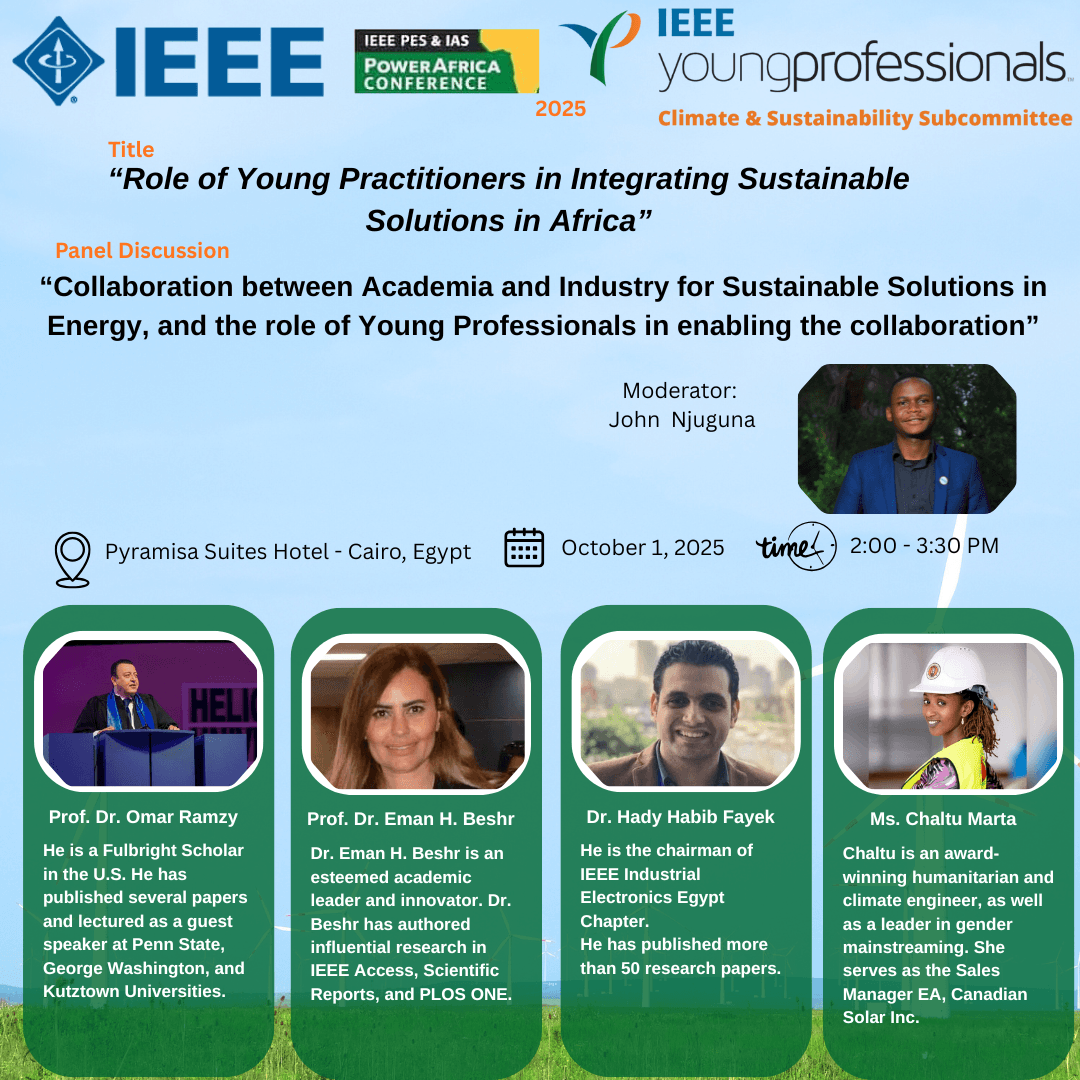
Linking Energy Transition & Artificial Intelligence
Foundational concepts of AI in energy systems, differentiation from legacy IT, environmental footprints of AI, IEEE P7100 standard for measurement of environmental impacts, and ethical frameworks.
- Foundational AI & Energy Terminology
- IEEE P7100 Standards
- Fairness & Bias in Energy Dispatch
- Environmental Footprint of Compute
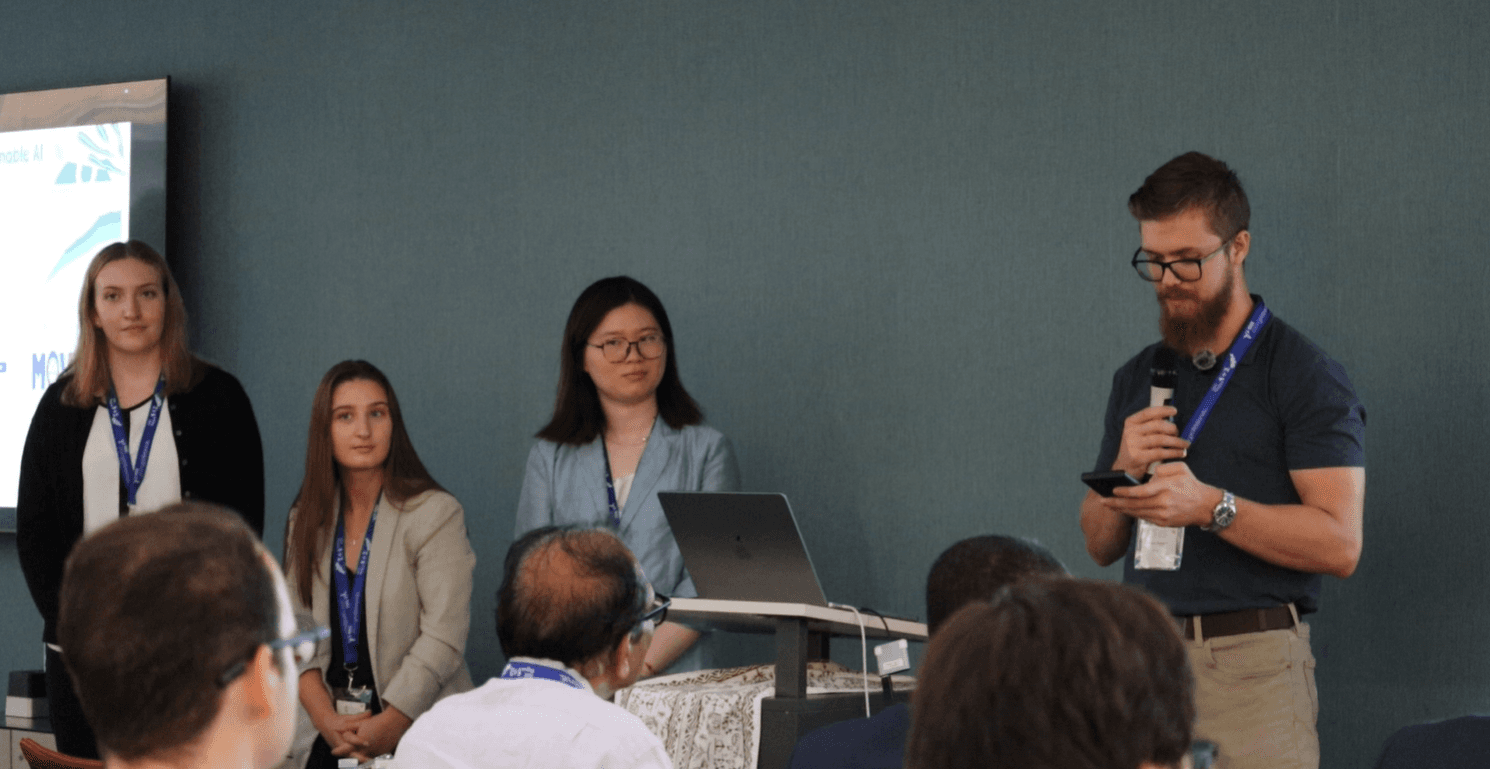
Energy Sectors Impacted by Artificial Intelligence
Detailed sectoral analysis covering energy demand forecasting, building cooling efficiency, renewable generation forecasting, and distribution grid resilience.
- Case Study: Renewables.Ninja & DeepMind Wind Optimization
- Case Study: Husk Power Systems Rural Electrification
- Case Study: PG&E Wildfire Risk Reduction & ML Grid Hardening
- Case Study: Smart Building HVAC Optimization
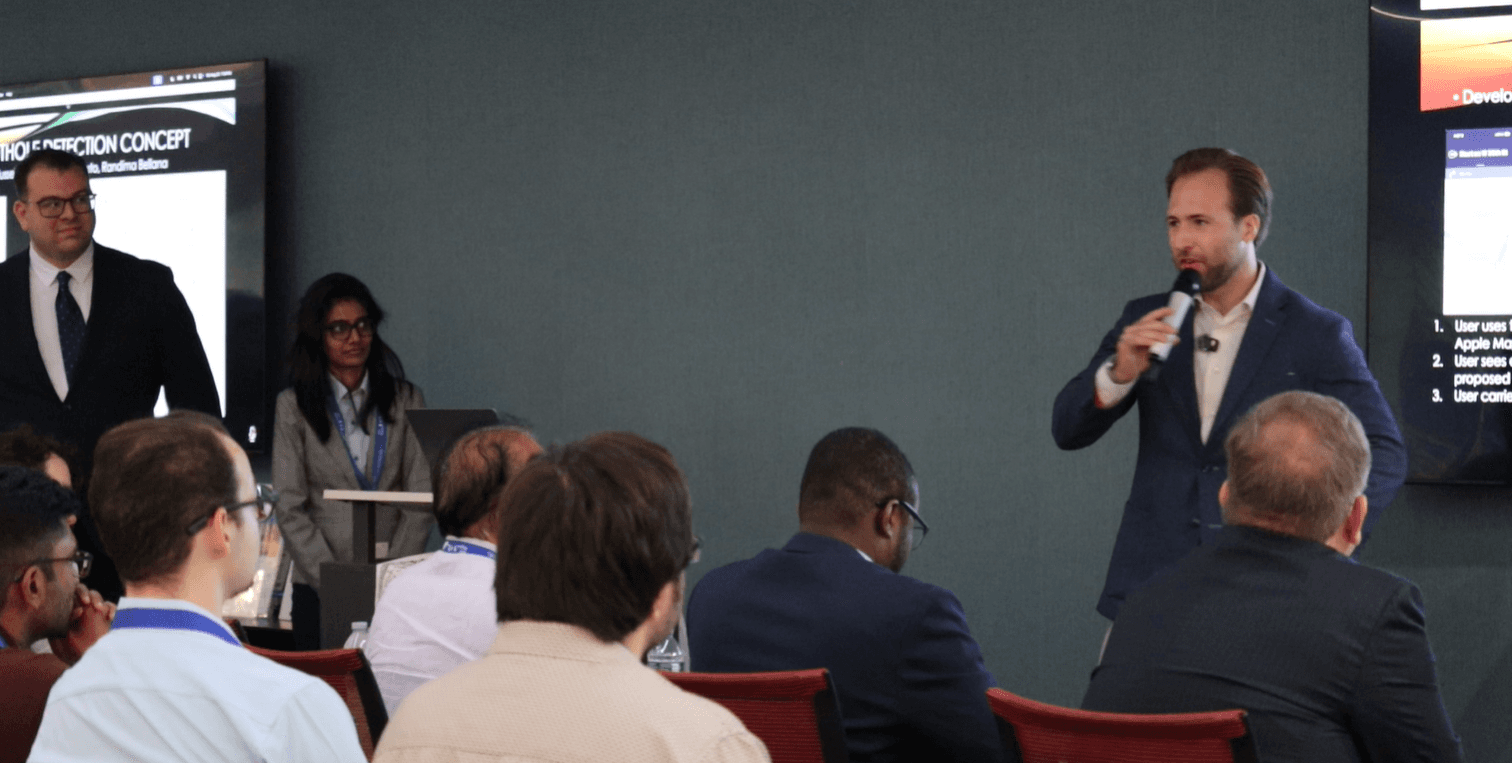
Market, Policy, and Collaboration Frameworks
Government policy instruments, regulatory sandboxes, enabling environments for clean-tech innovation, and multi-stakeholder collaboration models.
- Government Policy Frameworks
- Market Approaches & Clean Tech Investment
- Public-Private-Youth Partnerships
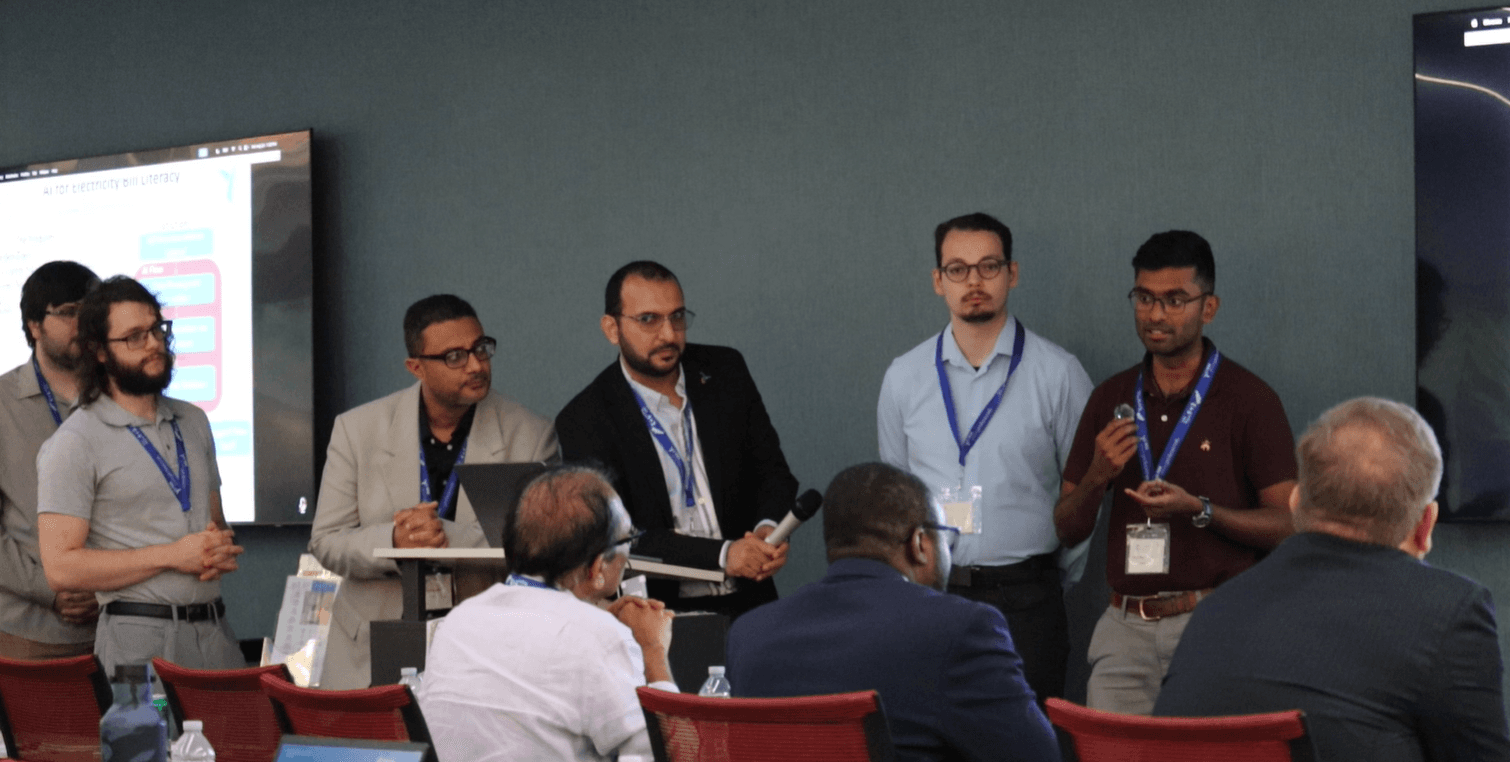
Implications, Inclusivity, and Community Impact
Equitable access, just energy transitions, youth, gender, and indigenous community inclusion, and workforce development in AI-enabled clean energy economies.
- Just Energy Transitions
- Youth & Gender Empowerment in Climate Tech
- Inclusive AI Governance
- Entrepreneurship & Clean Energy Jobs
Editorial Board & Contributing Authors
Young professionals, researchers, and power systems engineers leading this publication.